
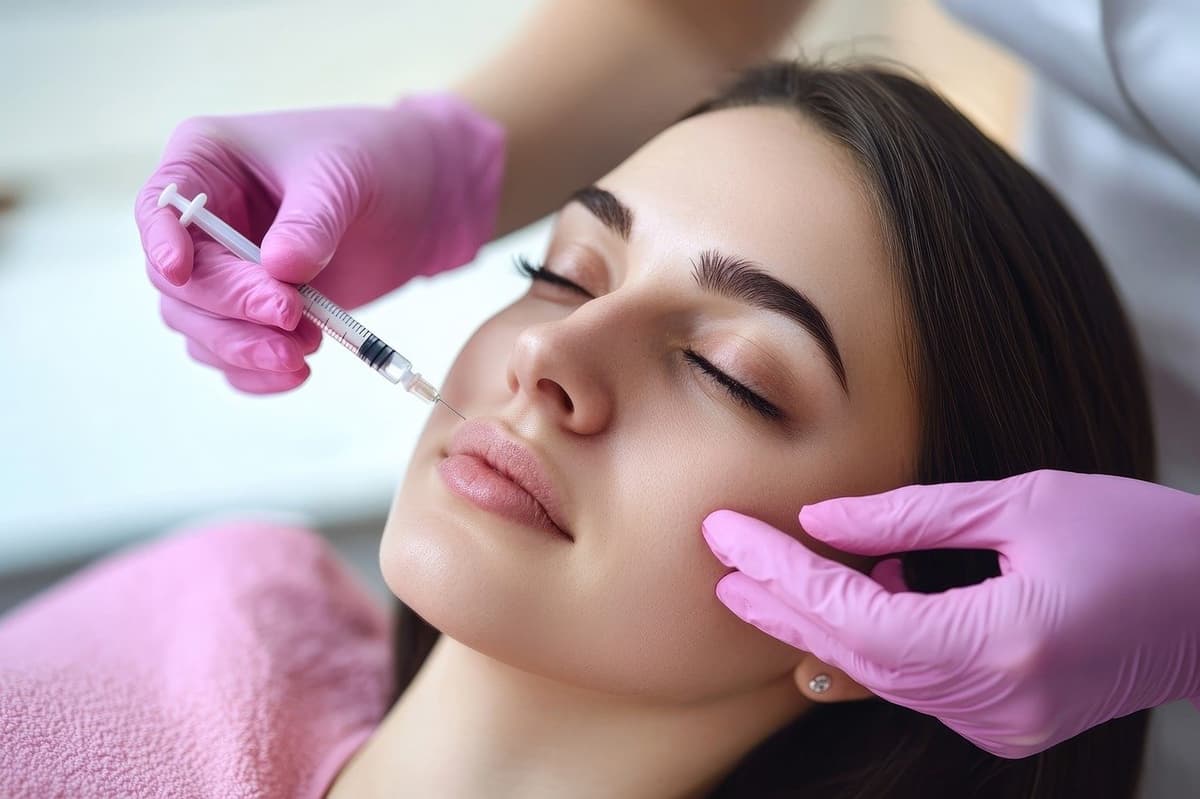
Glutathione injections have gained attention for their potential antioxidant properties and their role in supporting various cellular functions. However, before considering this treatment, understanding its safety, possible side effects, and suitability is essential. Individuals researching Glutathione Injections in Dubai should take time to discuss important medical questions with a qualified healthcare professional at a reputable clinic, such as Dynamic Life Clinics. Although glutathione is naturally produced by the body, receiving it through injections involves additional considerations, including dosage, administration methods, medical history, and individual health conditions. Asking the right questions before starting treatment can help individuals make informed decisions, understand potential risks, and establish realistic expectations.
Understanding Glutathione Injections
Glutathione is a naturally occurring antioxidant composed of three amino acids: glutamine, cysteine, and glycine. It helps protect cells against oxidative stress, supports certain detoxification processes, and contributes to maintaining normal cellular functions. Glutathione injections deliver this antioxidant into the body through an injectable method, usually under medical supervision. However, injectable supplementation is different from naturally occurring glutathione production, and its effects can vary between individuals. The treatment is sometimes promoted for skin-related and general wellness purposes, but evidence supporting many advertised benefits remains limited. Therefore, understanding what the treatment can realistically achieve is an important part of making a safe decision.
What Safety Questions Should You Ask Before Glutathione Injections?
Before receiving glutathione injections, individuals should ask whether the treatment is appropriate for their health condition and what potential risks are involved. Important questions include whether the provider is medically qualified, which product will be administered, whether the dosage is suitable, and what side effects may occur. It is also important to discuss existing medical conditions, allergies, current medications, and previous reactions to injectable treatments. Patients should ask how the injection will be administered, what precautions are followed, and whether medical assistance is available if an unexpected reaction develops. These discussions help establish whether the proposed treatment is suitable and whether its potential benefits justify the risks.
Important Safety Questions to Discuss With Your Healthcare Provider
Having an open conversation with a healthcare professional can help clarify treatment-related concerns. Consider asking the following questions before proceeding:
Is the treatment suitable for my medical history? Discuss existing health conditions, allergies, medications, and previous medical procedures to determine whether any factors could increase potential risks.
What product will be used? Ask about the product's manufacturer, ingredients, quality standards, storage requirements, and whether it comes from a reliable and traceable source.
What dosage is appropriate? Understand how the proposed dosage is determined and whether it is supported by available medical evidence.
Who will administer the injection? Confirm that a qualified healthcare professional will perform the procedure using appropriate clinical techniques.
What side effects should I expect? Ask about common reactions, less frequent complications, and symptoms that require immediate medical attention.
These questions encourage informed decision-making and help individuals understand the responsibilities involved in undergoing an injectable treatment.
Are There Any Possible Side Effects or Health Risks?
Although glutathione is naturally present in the body, injectable administration may involve certain risks. Some individuals may experience temporary discomfort, redness, swelling, or irritation around the injection site. Other possible reactions include nausea, abdominal discomfort, dizziness, or headaches. Allergic reactions are also possible and may require urgent medical attention. More serious concerns can arise from contaminated products, inappropriate administration techniques, or unsuitable treatment protocols. The long-term safety of repeated or high-dose glutathione injections, particularly for cosmetic purposes, is not well established. Individuals should therefore avoid assuming that a naturally occurring antioxidant is automatically safe when administered in injectable form. Discussing potential complications beforehand helps patients understand when treatment should be avoided or discontinued.
Medical Conditions and Medications You Should Disclose
Medical history plays an important role in determining whether someone is an appropriate candidate for glutathione injections. Individuals should inform their healthcare provider about existing medical conditions, ongoing treatments, allergies, and any previous adverse reactions to medications or injections. Particular attention may be necessary for people with asthma, kidney or liver conditions, or other chronic health concerns. Individuals who are pregnant or breastfeeding should also discuss the lack of established safety information before considering injectable glutathione. Additionally, patients should provide a complete list of prescription medications, over-the-counter medicines, and supplements they currently use. This information allows healthcare professionals to identify possible concerns and determine whether further evaluation is necessary before recommending treatment.
What Should You Know About Dosage and Treatment Frequency?
Dosage and treatment frequency are important safety considerations because there is no universally established injectable glutathione regimen for cosmetic purposes. The appropriate approach, if treatment is considered, depends on individual circumstances, the product being used, and the healthcare professional's assessment. Patients should ask why a particular dose has been suggested, how frequently injections would be administered, and what evidence supports the proposed schedule. They should also clarify whether treatment requires medical monitoring or follow-up assessments. Avoid providers who promise guaranteed results or encourage frequent injections without explaining the associated risks. A responsible healthcare professional should prioritize patient safety rather than recommending a fixed schedule simply to achieve faster cosmetic results.
How Can You Identify a Safe and Professional Treatment Provider?
Choosing an appropriate medical provider is another important step before undergoing injectable treatment. Patients should verify the healthcare professional's qualifications, relevant experience, and authorization to administer injections. The clinic should maintain appropriate hygiene standards, use sterile equipment, and follow established infection-control procedures. Patients can also ask whether the product is approved or registered by the relevant regulatory authority for its intended use. Transparent communication about ingredients, potential risks, treatment costs, and expected outcomes is equally important. A trustworthy provider should welcome questions, explain available alternatives, and never pressure individuals into proceeding. These precautions help reduce avoidable risks and support a more informed treatment experience.
Safety Tips to Follow Before and After Treatment
Following appropriate precautions can help individuals prepare for injectable procedures and recognize potential complications.
Share complete medical information: Inform the healthcare provider about allergies, existing conditions, medications, and previous reactions.
Verify product quality: Ask about the product's source, storage, handling, and regulatory status.
Follow professional instructions: Do not change the recommended dosage or treatment schedule independently.
Monitor injection-site reactions: Pay attention to unusual swelling, persistent discomfort, redness, or other unexpected symptoms.
Seek medical assistance when necessary: Difficulty breathing, facial swelling, severe dizziness, or widespread allergic reactions require immediate medical attention.
Following these precautions does not eliminate every risk, but it can support safer decision-making and timely medical intervention.
Frequently Asked Questions
1. Are glutathione injections safe for everyone?
No. Suitability depends on individual health conditions, allergies, medications, and other medical factors. A healthcare professional should assess potential risks before treatment.
2. Can glutathione injections cause allergic reactions?
Yes. Although not everyone experiences adverse reactions, allergic responses are possible. Severe symptoms, such as difficulty breathing or facial swelling, require immediate medical attention.
3. Should I undergo medical testing before treatment?
A healthcare professional may recommend medical assessments depending on your medical history, current health, and the proposed treatment. Testing requirements should be discussed during consultation.
4. Is it safe to receive glutathione injections regularly?
The long-term safety of repeated cosmetic glutathione injections has not been adequately established. Treatment frequency should never be determined without an appropriate medical assessment.
5. Can I take supplements alongside glutathione injections?
You should disclose all supplements and medications to your healthcare provider before treatment. Combining products without professional guidance may introduce unnecessary risks.
Conclusion
Asking the right safety questions before undergoing injectable treatment is essential for making informed healthcare decisions. Understanding potential side effects, medical suitability, product quality, dosage, and provider qualifications can help individuals evaluate whether glutathione injections are appropriate for their circumstances. Although glutathione has important antioxidant functions within the body, the safety and effectiveness of injectable formulations for cosmetic purposes require careful consideration. Individuals exploring Glutathione Injection Treatment in Dubai should prioritize professional medical guidance, transparent communication, and realistic expectations rather than relying on promotional claims. A thorough consultation helps identify potential concerns, discuss alternatives, and ensure that personal health and safety remain the primary priorities throughout the decision-making process.