
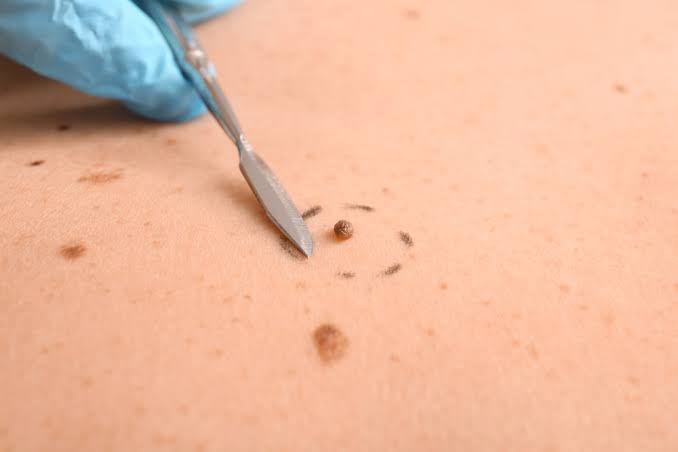
Wart removal is generally a straightforward treatment, but the time required can vary depending on the wart’s size, location, type, and chosen removal method. People considering Wart Removal in Dubai often want to know how quickly the procedure can be completed and when the treated skin will look normal again. At Dynamic Life Clinics, wart removal is approached according to the characteristics of the individual wart, with treatment selected to target the affected area while supporting appropriate skin healing.
Understanding Wart Removal
Warts are small, rough skin growths commonly caused by certain types of human papillomavirus (HPV). They can appear on different areas of the body, including the hands, feet, face, and other parts of the skin. Some warts may remain small and unchanged, while others can become larger or spread to nearby areas. Wart removal involves using an appropriate technique to eliminate the unwanted growth. The treatment selected depends on factors such as the wart’s appearance, location, size, number, and the condition of the surrounding skin.
How Long Does Wart Removal Usually Take?
The actual wart removal procedure can often be completed relatively quickly, particularly when there is only a small number of warts being treated. However, the overall process includes more than the treatment session itself. The skin may require time to heal after the wart has been removed, and the treated area can gradually return to its normal appearance. Some warts may require more than one treatment session depending on their characteristics and how they respond to the selected technique. Therefore, the total treatment timeline varies from one individual to another.
What Happens During the Treatment?
Before treatment, the affected area is assessed to determine the most suitable approach. Depending on the wart and treatment plan, methods such as cryotherapy, electrosurgery, laser treatment, or other dermatological techniques may be considered. The selected method is applied specifically to the wart, with the aim of removing the abnormal tissue while minimizing unnecessary impact on the surrounding skin. The duration of the session can vary according to the number and size of the warts being treated.
How Long Does the Skin Take to Heal?
After wart removal, the treated skin needs time to recover. Temporary redness, tenderness, swelling, crusting, or changes in the appearance of the treated area may occur depending on the technique used. Healing can take several days or longer, particularly when a deeper or more extensive wart is treated. During this period, following the recommended aftercare instructions is important. Keeping the area appropriately cared for and avoiding unnecessary irritation can support the natural healing process.
Does Every Wart Require Only One Session?
Not necessarily. Some warts may be successfully treated during a single session, while persistent, larger, deeper, or multiple warts may require additional treatment. The response can also depend on the location and characteristics of the wart. A follow-up assessment may be recommended to determine whether the area has healed appropriately and whether any remaining wart tissue requires further treatment. This individualized approach helps ensure that the treatment plan corresponds to the patient's specific skin concern.
What Factors Can Affect the Treatment Time?
Several factors can influence how long wart removal takes overall. The size and number of warts are important considerations, as treating several lesions may take longer than treating one small wart. The location of the wart can also affect the treatment approach and healing process. In addition, the chosen removal method, the depth of the wart, and the individual's natural skin-healing response can influence recovery. Because these factors differ between patients, a precise timeline can only be estimated after the affected area has been evaluated.
When Will the Treated Area Look Normal?
The appearance of the treated area usually improves gradually as the skin heals. Immediately after treatment, the area may look different from the surrounding skin because of temporary redness, swelling, crusting, or other healing changes. As recovery progresses, these temporary effects generally become less noticeable. The time required for the skin to regain a more natural appearance depends on the treatment method, the size of the treated area, and individual healing characteristics. Patients should allow the skin adequate time to recover rather than judging the final appearance immediately after treatment.
How Can You Support Recovery After Wart Removal?
Appropriate aftercare can help protect the treated area while it heals. Patients should follow the specific instructions provided by their practitioner regarding cleansing, keeping the area protected, and avoiding unnecessary touching or scratching. Picking at a scab or irritating healing skin can interfere with recovery. It is also important to follow any recommendations concerning skincare products, sun exposure, or physical activities. Proper aftercare supports the healing process and helps the treated skin gradually return to its normal condition.
FAQ's:
How long does a wart removal procedure take?
The treatment session can often be relatively short, particularly when treating a small number of warts. The exact duration depends on the number, size, location, and removal technique.
Can one wart be removed in one session?
Some warts can be treated successfully in one session, while others may require additional treatment depending on their characteristics and response to the initial procedure.
How long does it take for skin to heal after wart removal?
Healing varies according to the treatment method and the individual. The treated area may need several days or longer to recover and gradually regain a more normal appearance.
Can warts come back after removal?
Wart removal eliminates the treated growth, but recurrence can occur because the underlying viral infection may remain in the skin. Follow-up care can help address persistent or recurring concerns.
When can normal skincare be resumed after wart removal?
The timing depends on the treatment method and the condition of the treated skin. Patients should follow their practitioner's specific aftercare instructions before returning to their usual skincare routine.
Conclusion
Wart removal itself can often be completed in a relatively short treatment session, but the complete process also includes the healing period and, in some cases, follow-up treatment. The timeline depends on factors such as wart size, number, location, treatment method, and individual healing response. Understanding these stages can help patients maintain realistic expectations about recovery and the appearance of the treated skin. If you are considering Wart Removal in Dubai, a professional assessment can help determine the appropriate treatment approach and provide a more personalized estimate of the expected treatment and healing timeline.