
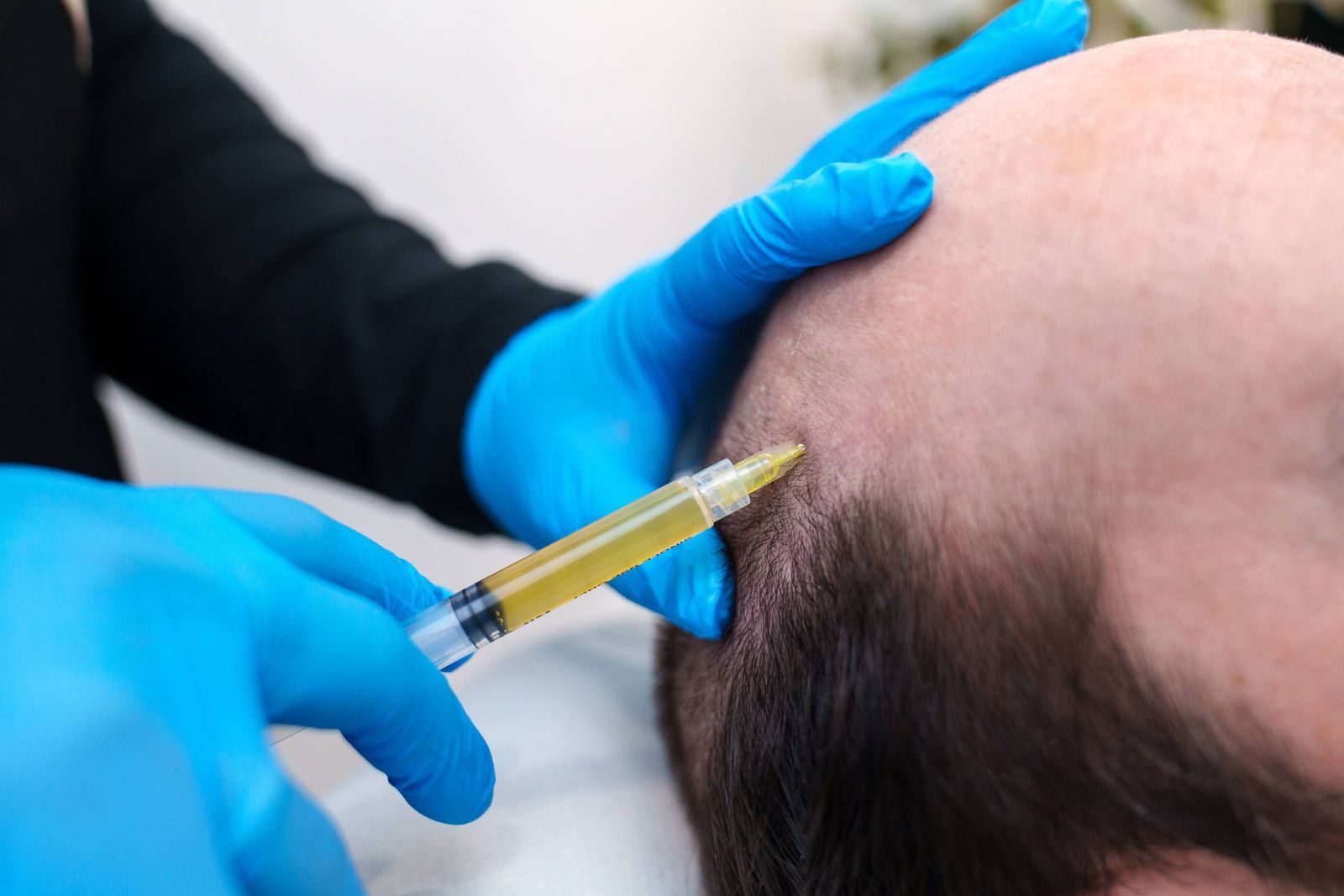
Hair shedding is a natural part of the hair growth cycle, but excessive or persistent shedding can make thinning and reduced density more noticeable. For people considering GFC Treatment For Hair Dubai, understanding the connection between shedding and restoration can help set realistic expectations about the treatment process. Dynamic Life Clinics offers hair restoration approaches designed around individual hair concerns, with GFC treatment focusing on growth factors that may support the scalp environment and existing hair follicles.
Understanding Hair Shedding
Hair naturally moves through different phases of growth, rest, and shedding. Losing some strands each day is generally considered part of the normal cycle, but noticeable changes in density, a widening part, or increased hair on pillows and in the shower may indicate excessive shedding. Several factors can contribute, including genetics, hormonal changes, nutritional deficiencies, stress, illness, and certain scalp conditions. Identifying the underlying reason is important before choosing a hair restoration approach.
How Does GFC Hair Restoration Relate to Shedding?
GFC hair restoration is designed to support the scalp and existing follicles rather than simply replacing individual strands. Growth factors derived from the patient's own blood are concentrated and prepared for targeted application to the scalp. These components may help create a more supportive environment for hair follicles. Because shedding can occur for different reasons, GFC treatment is generally considered in the context of an individual's hair condition, follicle health, and pattern of hair loss.
Can GFC Treatment Reduce Hair Shedding?
GFC treatment may help address certain forms of hair thinning by supporting the function and environment of existing follicles. However, the response varies between individuals, and it should not be considered a guaranteed way to stop all hair shedding. The effectiveness can depend on why the hair is falling, how advanced the thinning is, and whether viable follicles remain in the affected areas. A professional assessment can help determine whether GFC is appropriate for the particular type of hair loss.
What Happens to Hair After GFC Treatment?
Following GFC treatment, the scalp enters a period in which the follicles may gradually respond to the growth-factor concentrate. Hair changes are not usually immediate because follicles operate according to their natural growth cycles. Some people may notice changes in shedding or hair texture before they see obvious improvements in density. Over time, newly growing hairs may become more noticeable as the follicles progress through their growth phase. Consistency and realistic expectations are therefore important when evaluating results.
What Factors Influence Shedding During Hair Restoration?
Hair shedding can fluctuate even while a person is undergoing a restoration treatment. Stress, hormonal changes, illness, diet, medications, genetics, and scalp health can all influence the hair cycle. For this reason, temporary increases or decreases in shedding do not necessarily indicate whether a treatment is working. Monitoring the overall pattern of hair density over time provides a more useful picture than focusing on individual strands lost on a particular day.
What Are the Potential Benefits of GFC for Thinning Hair?
GFC treatment is primarily focused on supporting existing follicles and promoting a healthier environment for hair growth. Depending on the individual's condition, potential benefits may include improved hair quality, support for weakened follicles, and a gradual improvement in the appearance of thinning areas. The treatment uses components derived from the patient's own blood, which makes it different from procedures that rely on implanted donor hair. Its suitability depends on the condition and availability of responsive follicles.
Why Is Early Treatment Important for Excessive Shedding?
Addressing noticeable hair thinning earlier may provide an opportunity to support follicles before prolonged miniaturization or advanced loss occurs. When follicles remain active, treatments aimed at improving their environment may have greater potential to support existing hair. However, not every cause of shedding responds in the same way. A detailed evaluation can help distinguish temporary shedding from progressive hair loss and determine whether GFC or another approach may be appropriate.
How Should You Monitor Hair Shedding After GFC?
Rather than checking individual hairs every day, patients can monitor broader changes in density, hair thickness, and areas of visible thinning. Consistent photographs taken under similar lighting and from similar angles can make gradual changes easier to identify. Follow-up appointments also allow a specialist to assess the scalp and compare progress over time. If shedding becomes unusually heavy, persistent, or accompanied by scalp symptoms, further evaluation may be necessary to identify another underlying cause.
FAQ's:
Is hair shedding normal before GFC treatment?
Some shedding is a normal part of the hair cycle. However, excessive or sudden shedding can have several causes and should be assessed before treatment.
Can GFC completely stop hair loss?
GFC is not guaranteed to stop all forms of hair loss. Its potential response depends on the underlying cause, follicle condition, and individual factors.
How soon can GFC hair restoration show results?
Hair restoration is gradual because follicles follow natural growth cycles. Visible improvements may take several months to become noticeable.
Does GFC work on existing hair follicles?
GFC treatment is intended to support existing follicles and the scalp environment. Its potential benefits depend on whether responsive follicles are present in the treatment area.
Can shedding continue after GFC treatment?
Some shedding may continue because hair growth cycles naturally fluctuate. Persistent or significant shedding should be discussed with a qualified specialist.
Conclusion
Hair shedding and GFC hair restoration are closely connected because the treatment focuses on supporting existing follicles and creating a favorable scalp environment for hair growth. Shedding can have many causes, so identifying the reason behind hair loss is an important part of treatment planning. GFC results also develop gradually rather than immediately, making patience and consistent monitoring important. For individuals exploring GFC Hair Treatment in Dubai, a personalized assessment can help determine whether GFC is suitable for their pattern of shedding and thinning.