
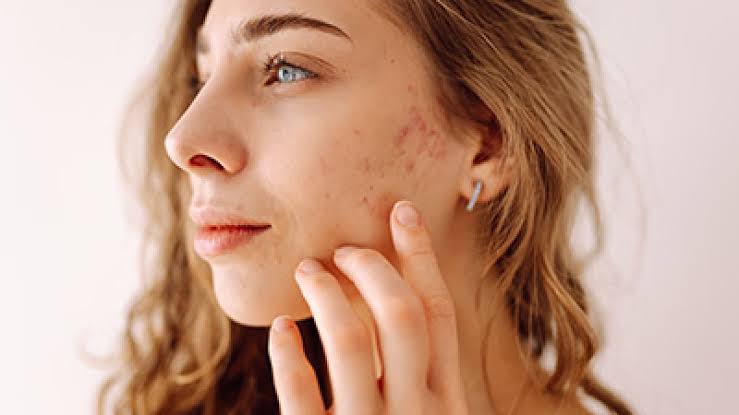
Facial scars can develop after acne, injuries, surgery, burns, or other skin conditions, and their appearance can vary significantly from one person to another. Facial Scar Treatment Dubai may involve different approaches depending on the scar type, depth, texture, and location, with Dynamic Life Clinics providing treatment options designed to improve uneven skin texture and the visible appearance of scars. Understanding how different scars are treated can help individuals know what to expect when exploring professional options for smoother and more balanced-looking skin.
Understanding Different Types of Facial Scars
Facial scars are not all the same, which is why a single treatment may not be suitable for every concern. Acne scars are commonly classified as atrophic or depressed scars, including ice pick, boxcar, and rolling scars. Some people may also develop raised scars, known as hypertrophic scars or keloids. Surgical and traumatic scars can have different shapes, depths, and textures depending on how the original wound healed. Identifying the specific scar type is an important first step in selecting an appropriate treatment approach.
How Are Depressed Acne Scars Treated?
Depressed scars occur when the skin loses collagen during the healing process, creating indentations on the surface. Treatment may focus on stimulating collagen production, resurfacing the skin, or releasing scar tissue beneath the surface. Microneedling, fractional laser treatments, and subcision are among the approaches that may be considered depending on the scar pattern. Deeper scars may require a combination of techniques to address both the surface texture and underlying tethering.
How Are Ice Pick Scars Treated?
Ice pick scars are narrow, deep indentations that extend further into the skin than many other acne scars. Because their depth can make conventional surface treatments less effective on their own, targeted techniques may be considered. TCA CROSS is one approach that can be used to stimulate collagen within selected deep scars, while other procedures may be combined when multiple scar types are present. A specialist can assess the depth and distribution of the scars before determining which approach is appropriate.
How Are Boxcar Scars Treated?
Boxcar scars typically have wider, defined edges and can vary from shallow to deep. Their treatment depends on their depth and individual characteristics. Fractional laser resurfacing or microneedling may help improve shallow boxcar scars by encouraging collagen remodeling. Deeper scars may benefit from subcision or other targeted procedures designed to release scar tissue and improve the underlying depression. Treatment is often customized because different areas of the face may respond differently.
How Are Rolling Scars Treated?
Rolling scars create a wavy or uneven appearance because fibrous bands beneath the skin can pull the surface downward. Subcision is commonly considered for this type of scar because it can release the bands responsible for the tethered appearance. Once the underlying attachments are addressed, collagen-stimulating treatments or dermal fillers may sometimes be incorporated to further improve surface irregularities. The appropriate combination depends on the severity and structure of the scars.
How Are Raised Facial Scars Treated?
Raised scars differ from depressed scars because excess scar tissue causes them to extend above the surrounding skin. Hypertrophic scars and keloids may require approaches intended to reduce excessive scar tissue and flatten the raised area. Treatments can include corticosteroid injections, silicone-based therapy, laser-based approaches, or other specialist-directed methods. Because keloids can behave differently from ordinary scars, professional assessment is particularly important before treatment.
What Treatments Can Improve Overall Scar Texture?
Several treatments may be used to improve the overall appearance of facial scars by encouraging collagen remodeling and creating a more even skin surface. Microneedling uses controlled micro-injuries to stimulate the skin's natural repair response, while fractional laser resurfacing targets selected areas of the skin to encourage renewal. Chemical peels may also be considered for certain superficial concerns, particularly when uneven pigmentation accompanies mild textural changes. The most suitable treatment depends on scar characteristics and skin condition.
Can More Than One Scar Treatment Be Used?
Yes, combination treatment can sometimes be considered when a person has multiple scar types or different concerns within the same area. For example, one technique may address tethered rolling scars while another improves surface texture or pigmentation. Combining procedures can allow different aspects of scarring to be addressed rather than relying on a single treatment. However, treatment plans should be individualized, and procedures may be performed in stages to allow the skin to recover appropriately.
What Should You Expect From Facial Scar Treatment?
Facial scar treatment is generally focused on gradual improvement rather than completely removing every visible mark. Results depend on factors such as scar type, depth, age, skin characteristics, treatment selection, and the body's healing response. Some procedures require multiple sessions, while others may be performed as part of a customized treatment plan. Improvements can develop progressively as collagen remodeling and skin renewal take place, so realistic expectations are important throughout the process.
FAQ's:
What is the best treatment for facial scars?
There is no single treatment that works best for every scar. The appropriate option depends on whether the scar is depressed, raised, deep, superficial, tethered, or associated with pigmentation.
Can acne scars be permanently removed?
Treatments can significantly improve the appearance of many acne scars, but complete removal is not always possible. The extent of improvement depends on the type and severity of the scarring.
How are deep acne scars treated?
Deep acne scars may require targeted treatments such as subcision, TCA CROSS, laser resurfacing, or carefully planned combinations of procedures, depending on their structure.
How many sessions are needed for facial scar treatment?
The number of sessions varies according to scar type, severity, treatment method, and individual response. A specialist can recommend an appropriate treatment schedule after assessing the skin.
Can facial scar treatment improve skin texture?
Yes. Treatments that stimulate collagen production or resurface the skin may help reduce the appearance of uneven texture and create a smoother-looking surface over time.
Conclusion
Different facial scars require different treatment strategies because their depth, shape, and underlying structure can vary considerably. Depressed acne scars may benefit from collagen-stimulating or scar-releasing techniques, while raised scars may require approaches designed to control excess scar tissue. Treatments such as microneedling, laser resurfacing, subcision, chemical peels, and targeted procedures may be selected individually or combined when appropriate. With a personalized approach and realistic expectations, Facial Scar Treatment in Dubai can help improve the visible appearance of scars and support a smoother, more even-looking complexion.