
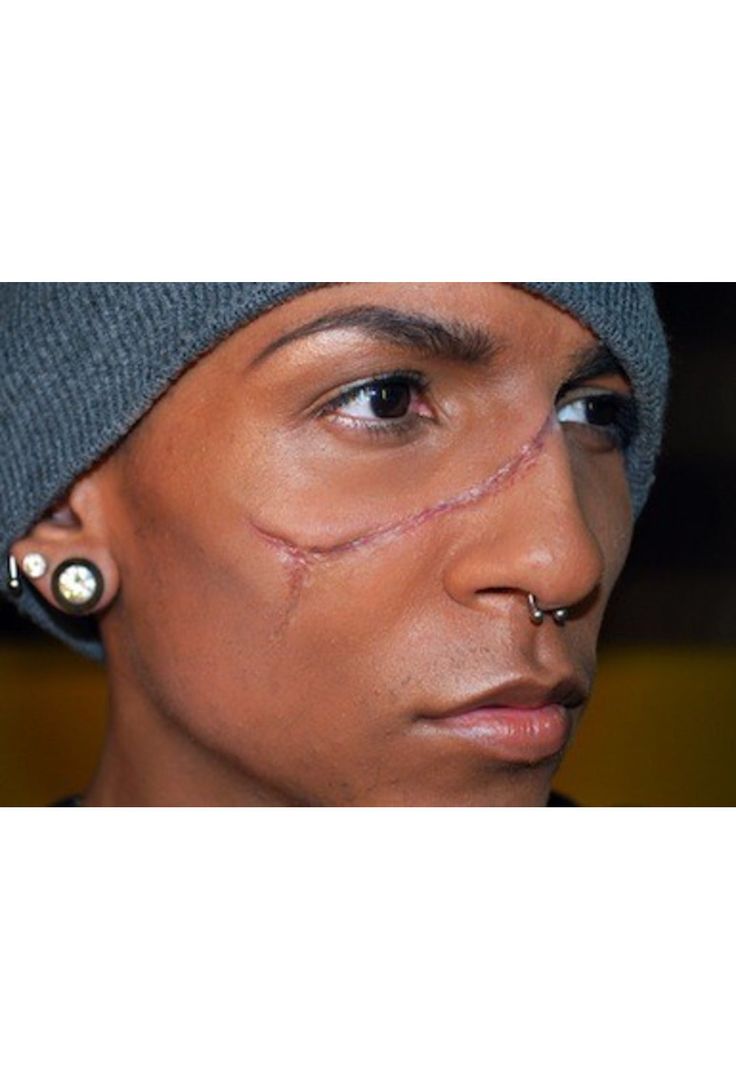
Raised scars can make the skin surface appear uneven, firm, or visibly elevated, often developing after acne, injuries, surgery, or other forms of skin damage. Because these scars can remain noticeable even after the original wound has healed, many individuals explore professional treatments designed to improve their appearance and create a smoother-looking complexion. Dynamic Life Clinics provides aesthetic treatment options for individuals seeking targeted solutions for visible facial scarring. Facial Scar Revision Dubai is an option considered by people who want to reduce the prominence of raised scars while supporting a more even and refined appearance.
Understanding Facial Scar Treatment
Facial scar treatment refers to a range of approaches designed to improve the appearance, texture, and visibility of scars on the face. Raised scars occur when the body produces excess scar tissue during the healing process, causing the affected area to sit above the surrounding skin. Depending on the scar’s type, size, location, and development, different techniques may be considered. Professional assessment is important because raised scars can respond differently from flat or depressed scars, and treatment should be selected according to the characteristics of the individual scar.
Can Facial Scar Treatment Help Smooth Raised Scars?
Yes, facial scar treatment can help improve the appearance of some raised scars by reducing their prominence, softening their texture, and making them blend more naturally with surrounding skin. The extent of improvement depends on the type and severity of the scar and the treatment approach selected. Certain professional techniques can target excess scar tissue, encourage controlled skin remodeling, or improve the surface texture around the scar. While treatment may not completely remove a raised scar, it can make the area appear flatter, smoother, and less noticeable.
How Raised Scar Treatment Works
Treatment for raised scars focuses on modifying the excess tissue responsible for the elevated appearance. Depending on the individual case, a specialist may recommend techniques that soften scar tissue, regulate its appearance, or stimulate controlled remodeling of the affected skin. Some approaches work directly on the scar while others encourage healthier surrounding skin development. The objective is to gradually improve the difference between the scar and nearby skin, creating a more uniform surface and reducing the visual contrast that makes the scar noticeable.
Improving Scar Texture and Surface Smoothness
Raised scars often have a firm or irregular texture that differs from the softness of normal facial skin. Targeted scar treatments can help improve this difference by supporting gradual tissue remodeling. As the treated area responds and changes over time, the scar may become softer and more level with the surrounding skin. This can make the complexion appear smoother and more consistent, particularly when the scar is clearly visible because of its elevated surface or noticeable texture.
Reducing the Appearance of Raised Scar Tissue
The primary goal of treatment is not necessarily to erase the scar completely but to make it less prominent. Depending on its characteristics, treatment may help reduce the visual height or firmness of a raised scar. As the scar becomes less elevated, light reflects more evenly across the skin, which can make the area appear more natural. This gradual improvement can be particularly valuable for facial scars that attract attention because they stand out from the surrounding complexion.
Key Benefits of Facial Scar Treatment
- Helps reduce the visible prominence of raised facial scars.
- Supports smoother and more refined skin texture.
- Can soften the appearance of firm or irregular scar tissue.
- Helps scars blend more naturally with surrounding skin.
- Improves overall facial skin appearance by reducing noticeable unevenness.
Addressing Uneven Facial Skin Texture
Raised scars can contribute to uneven facial texture even when pigmentation is not a major concern. By focusing on the scar tissue and surrounding skin, professional treatments can help create a more balanced surface. This improvement can make the complexion look smoother in different lighting and may also help makeup apply more evenly over the treated area. For individuals seeking acne scar revision treatment, addressing texture can be an important part of achieving a more uniform appearance.
Supporting Natural Skin Remodeling
Some scar treatments work by encouraging controlled remodeling within the skin, allowing the affected tissue to gradually become more refined. This process can support changes in scar thickness, texture, and overall appearance. Because remodeling takes place progressively, improvements may develop over multiple stages rather than immediately. The skin’s natural healing response, combined with a suitable treatment approach, can contribute to gradual softening and refinement of the scar.
Treatment Considerations for Different Raised Scars
Not every raised scar is identical, so treatment recommendations can vary significantly. Some scars may remain within the original wound boundaries, while others can extend beyond them. Their age, location, thickness, color, and firmness may also influence how they respond to treatment. A professional evaluation can help determine the scar type and identify an appropriate approach. This individualized process is important for setting realistic expectations and selecting a method suited to the skin’s condition.
Long-Term Improvement in Scar Appearance
Scar revision is generally focused on progressive improvement rather than an instant transformation. As the treated tissue continues to remodel, the scar may gradually become less prominent and better integrated with the surrounding complexion. Maintaining appropriate skincare and following professional aftercare recommendations can support the skin during this process. With time, improvements in texture, elevation, and overall visibility may contribute to a smoother and more balanced facial appearance.
Additional Benefits of Scar Improvement
- Helps create a more even-looking facial surface.
- Supports gradual softening of noticeable scar texture.
- May improve the visual balance between scarred and healthy skin.
- Encourages a more refined overall complexion.
- Can support greater confidence in the appearance of facial skin.
Factors That Influence Individual Results
The results of facial scar treatment can vary according to scar type, age, depth, size, location, and individual healing characteristics. Raised scars may also respond differently depending on how much excess tissue has formed and how long the scar has been present. Skin condition, treatment selection, consistency, and adherence to professional aftercare can also influence the outcome. Because every scar develops differently, a personalized assessment is important for determining what level of improvement may realistically be achieved.
FAQ’s
Can facial scar treatment smooth raised scars?
Yes, suitable treatments can help reduce the prominence and improve the texture of some raised scars.
Can raised scars become flatter with treatment?
Certain treatments may help reduce the visible elevation of raised scar tissue over time.
Does facial scar treatment completely remove scars?
Treatment generally aims to improve the scar’s appearance rather than guarantee complete removal.
Can acne cause raised facial scars?
Acne can contribute to different types of scarring, although raised scars are less common than some other acne-related scar types.
How long does scar improvement take?
Improvement can develop gradually, depending on the scar and the treatment approach selected.
Conclusion
Facial scar treatment can help smooth the appearance of suitable raised scars by reducing their prominence, improving texture, and supporting gradual skin remodeling. Although complete scar removal cannot always be expected, appropriate treatment can make an elevated scar appear softer, flatter, and more naturally integrated with the surrounding complexion. Facial Scar Revision Dubai offers an approach for individuals seeking progressive improvement in visible facial scarring and a smoother, more balanced-looking skin surface.